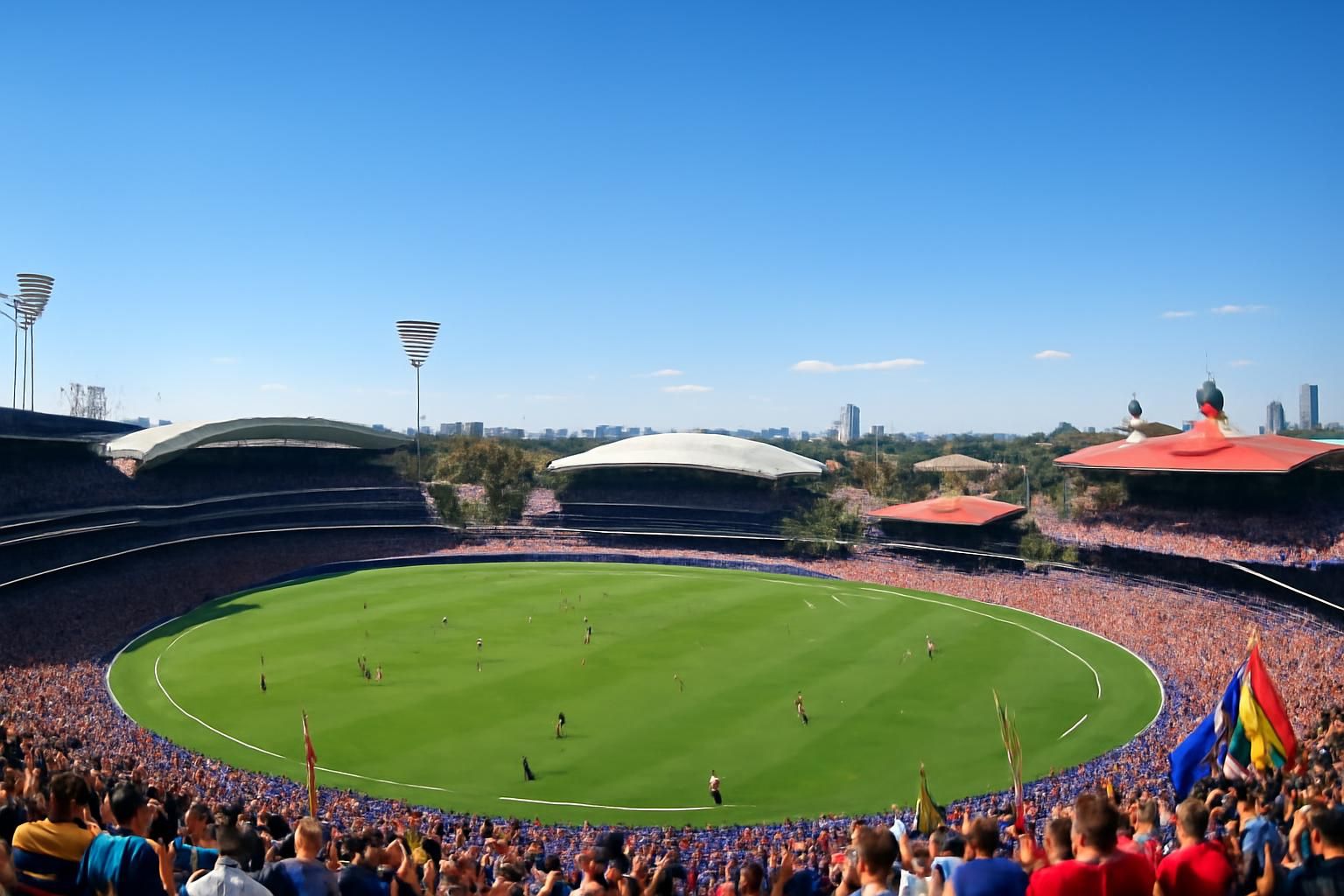
Australian football stadiums hold a special place in the heart of sports enthusiasts across the continent. Whether it’s the roar of the crowd during an AFL showdown or the strategic plays in a gripping A-League soccer match, these venues are not merely grounds but the cradles of sporting culture and fierce community spirit. From historic landmarks to modern arenas equipped with cutting-edge facilities, Australia’s football stadiums offer diverse and unforgettable experiences. Fans keen on exhilarating matchday atmospheres, seamless seating arrangements, and top-notch amenities will find themselves immersed in places designed for optimal spectator engagement. Moreover, as the sporting landscape evolves in 2026, these stadiums continue to adapt, integrating technology and comfort to enhance every visit. This guide dives deep into what one can anticipate during a visit to these iconic sports venues, navigating through key stadium profiles, ticketing insights, and the overall fan experience.
In brief:
- Australia boasts a vast range of football stadiums catering to both AFL and soccer fans, with capacities ranging from intimate grounds to colossal arenas like the Melbourne Cricket Ground.
- Modern sports venues have embraced technology to improve the matchday experience, including advanced seating arrangements and upgraded facilities.
- Ticket information and access vary widely among stadiums, often depending on the event scale and venue policies.
- Iconic stadiums such as Stadium Australia and Optus Stadium continue to be primary destinations for major football matches, offering state-of-the-art environments for fans and players alike.
- Besides major metropolitan stadiums, regional grounds provide vibrant local football atmospheres, supporting community-level participation and fostering grassroots engagement.
Exploring Major Australian Football Stadiums and Their Unique Characteristics
Australian football stadiums are as diverse as the nation itself, combining historical significance and contemporary design to create sporting venues that cater to tens of thousands of passionate fans. Among the top tier, the Melbourne Cricket Ground (MCG) stands unrivaled in size and prestige. With a staggering capacity of approximately 100,000 spectators, it is colloquially known as the ‘G’ and is the spiritual home of Australian rules football. The MCG is celebrated not just for its sheer size but also its role in historic matches and sporting celebrations, offering diverse seating arrangements including grandstands, corporate boxes, and general admission zones.
Another colossal venue is Stadium Australia in Sydney, accommodating up to 83,000 fans. Often a hub for large-scale events and AFL matches, its design focuses on maximizing sightlines for spectators, ensuring that every seat provides an excellent view of the action. This venue incorporates multiple tiers of seating, accessible through well-laid circulation paths that allow for smooth ingress and egress. In 2026, Stadium Australia continues to host major finals and international fixtures, underlining its role as a cornerstone of Australian sports.
On the west coast, Optus Stadium in Perth has rapidly gained recognition since its opening, boasting a capacity exceeding 60,000. Equipped with cutting-edge facilities such as LED lighting, high-definition video screens, and premium hospitality options, Optus Stadium exemplifies how stadiums are transforming to offer enhanced fan engagement. Its multifunctionality also allows it to host soccer matches, AFL games, and concerts, reflecting versatility in a single venue.
Melbourne’s Marvel Stadium and Brisbane’s Suncorp Stadium also deserve mention. Both hold around 56,000 and 52,500 spectators respectively. Marvel Stadium features a retractable roof, allowing for games regardless of weather conditions and an improved spectator comfort range. Suncorp Stadium is often the fortress for Brisbane Roar AFL matches and historic sporting moments, offering panoramic views and vibrant crowd atmospheres that electrify games.
These larger stadiums are complemented by several mid-sized venues such as AAMI Park in Melbourne with a capacity of just over 30,000 and Sydney Football Stadium seating approximately 45,500 fans. Each has tailored facilities designed for specific sports, from intimate soccer matches to high-paced AFL encounters, enhancing the matchday experience. Their modern infrastructure incorporates hospitality suites, family zones, and fan engagement zones instilling a strong sense of community across this football landscape.
To plan visits or learn more about these stadiums, fans can refer to comprehensive stadium resources such as the detailed major stadiums overview or soccer-specific listings at Soccer Wiki. These provide updated venue information, seating maps, and insights into upcoming events ensuring that visitors know exactly what to expect during their trips.
Understanding Seating Arrangements and Facilities in Australian Football Stadiums
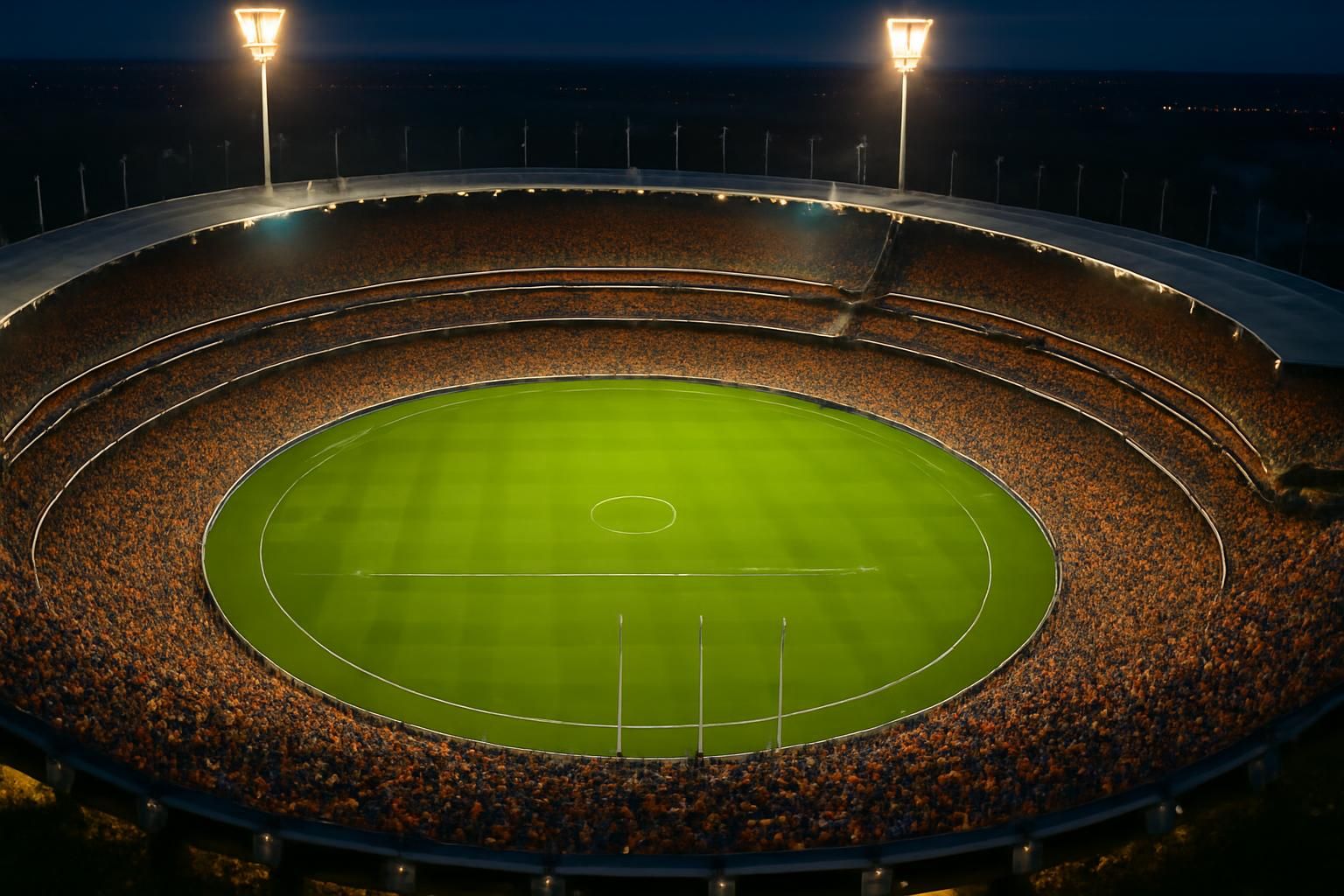
Seating arrangements in Australian football stadiums are pivotal for optimizing the spectator experience. With varying field dimensions between AFL and soccer, stadiums adapt their seating designs to ensure visibility and comfort. For example, the Melbourne Cricket Ground employs expansive tiered seating which curves around the oval playing field, allowing fans to enjoy close-up views whether seated near the field or higher up. Corporate boxes are interspersed throughout the tiers, offering premium amenities and privacy for VIP guests during high-profile matches.
On the other hand, rectangular stadiums like the Sydney Football Stadium and AAMI Park have seating configurations more suited to tight field boundaries. Emphasizing intimacy, these venues bring spectators closer to the pitch, especially along sidelines, enhancing the atmosphere and engagement during football matches. Such stadiums often include family-friendly zones, secure areas for children, and accessible seating for patrons with disabilities, reflecting inclusivity goals.
Beyond seating, facilities within these stadiums greatly influence matchday experiences. Modern venues equip themselves with ample food and beverage outlets offering a broad range of culinary options, reflecting Australia’s diverse culture. Clean restroom facilities with adequate capacity are standard, preventing queues that might disrupt the enjoyment of the game. Additionally, many have integrated open concourses or fan zones where supporters can gather pre-match or during halftime for entertainment and merchandise shopping.
Technological enhancements now permeate stadium venues as well. High-speed Wi-Fi connectivity allows fans to share live moments and stay connected. Large LED screens provide instant replays, player stats, and interactive content. These features enrich the spectator’s engagement, making attendance more immersive beyond just live action.
Accessibility also continues to improve, with ample parking, dedicated rideshare zones, and public transport links crafted to ensure smooth arrivals and departures. When attending a game, consulting the stadium guide available online before arrival can assist fans in finding best entrances, seating assignments, and amenities to make the visit hassle-free.
Ticket Information and Navigating Access to Australian Football Stadiums
Understanding ticket purchasing options and entry procedures is essential to a seamless experience at Australian football stadiums. Ticket availability often depends on the fixture’s popularity, with marquee AFL finals, international matches, or derbies selling out quickly. Fans are advised to buy tickets early via official vendors or club websites to avoid scalpers and inflated prices.’
Different categories of tickets—general admission, reserved seats, corporate packages—cater to varied budgets and preferences. For families, discounted or bundled tickets may be available, promoting accessible attendance for all demographics. Season ticket holders enjoy priority bookings and exclusive access, enhancing their connection with their favourite teams.
Entry to the stadiums typically involves sophisticated scanning technology for tickets, reducing queuing times. Some venues also require digital ID verification or advance health safety checks, especially in light of evolving public health guidelines. Clear signage and ample staffing support visitors unfamiliar with the stadium layout or security protocols.
Furthermore, stadiums often implement measures for ticket holders with disabilities, offering companion tickets and assistance at entry points. Fans are encouraged to check specific guidelines issued by the venue or team before attending.
Promotional events, family days, and community outreach games often feature different ticket pricing structures or free access zones, enhancing engagement across a broader audience base. For up-to-date information, specialized stadium guides focused on Australia provide comprehensive ticketing insights, including links to official purchase platforms and event calendars.
Enhancing the Matchday Experience: Fan Activities and Atmosphere in AFL Stadiums
The hallmark of Australian football stadiums is an electric matchday atmosphere generated by devoted fans and vibrant pre-game entertainment. From fan marches, musical performances to interactive zones, venues strive to create experiences beyond just watching the game. At iconic locations like Suncorp Stadium in Brisbane, supporters gather early for tailgate parties and team chants that echo through the stands, establishing camaraderie and anticipation.
Stadiums actively collaborate with supporter groups to organize rituals unique to their culture. For example, at the Melbourne Cricket Ground, the tradition of singing club songs post-victory creates communal memories that resonate season after season. Similarly, “wall of noise” sections emphasize passionate cheering sections where dedicated fans amplify energy to motivate players.
These venues also focus on family-friendly matchday offerings including mascots, face painting, and junior football clinics, introducing younger generations to the sport’s culture and values. Food festivals and local artisan stalls often complement game days, linking sports with community engagement.
In 2026, technological integrations such as app-based interactive games, real-time stats sharing, and augmented reality experiences are increasingly featured to elevate fan involvement. This blending of tradition with innovation ensures stadiums remain hubs not only of sport but also social interaction and cultural exchange.
Ultimately, the communal passion and carefully curated entertainment ensure that attending football matches in Australia is much more than a sporting event—it’s a celebration of identity, teamwork, and shared pride.
Regional Football Stadiums: Community Impact and Local Football Culture
While metropolitan venues claim larger capacities and greater media exposure, regional football stadiums across Australia play a critical role in nurturing grassroots football and sustaining local cultures. Smaller stadiums like Campbelltown Sports Stadium (17,500 capacity) in Sydney’s outskirts or Kardinia Park in Geelong (36,000 capacity) are revered community hubs hosting both AFL games and soccer matches for local teams and fans.
These grounds offer intimate viewing experiences accentuated by proximity to the field and closer interaction with players. For families and youth participants, these venues provide accessible entry points into the world of football fandom, often supported by community fundraising and volunteer initiatives to maintain facilities.
Regional stadiums foster inclusivity by hosting diverse competitions including women’s leagues, junior tournaments, and disability sports. This diversity bolsters the societal fabric of football culture, bringing together all demographics. Facilities may be simpler, but the atmosphere remains electric, with loyal followings and spirited local champions.
In terms of infrastructure, many regional venues have gradually improved amenities, including upgraded seating, lighting systems, and electronic scoreboards. These improvements create environments suitable for more competitive matches and attract wider audiences. Fans discovering these grounds often find a charm absent in larger arenas, emphasizing community identity and grassroots passion.
Historical Significance and Iconic Moments in Australian Football Stadiums
Australian football stadiums are repositories of rich history and iconic moments that have shaped sports culture nationwide. The MCG famously hosted the 1956 Olympic Games and numerous AFL Grand Finals, making it a pilgrimage site for fans and historians alike. Memorable matches etched in public memory, such as those deciding premierships or featuring legendary players, elevate these stadiums beyond physical structures to cultural landmarks.
Stadium Australia witnessed the dramatic 2000 Olympic Games opening ceremony and epic football encounters that have defined generations. Similarly, Suncorp Stadium bears the legacy of Brisbane Roar’s historic victories and moments of AFL brilliance.
Renovations and reconstructions across these stadiums preserve their heritage while adapting to modern demands. For instance, the Sydney Cricket Ground continues to maintain its heritage-listed status, integrating boutique facilities without sacrificing historical integrity.
Commemorative statues, murals, and museums integrated within these venues celebrate legends and milestones. These elements enrich the fan experience, offering layers of storytelling alongside matchday excitement.
Planning Your Visit: Navigating Locations and Getting There Efficiently
Effective planning contributes significantly to an enjoyable stadium visit. Australia’s major football stadiums are often well-connected through public transit options such as trains, buses, and light rail, ensuring convenient travel for fans. For example, the MCG is easily accessible via multiple tram lines linked to Melbourne’s city center, while Optus Stadium has dedicated ferry terminals and shuttle services connecting Perth CBD.
For those driving, ample parking facilities near venues can fill quickly on matchdays, so early arrival or alternative transportation is advisable. Information on parking zones, drop-off points, and rideshare pick-up locations is typically available on stadium websites ahead of fixtures.
Fans looking to combine football with tourism can explore local attractions around stadiums, whether it is the vibrant Southbank precinct near MCG or the burgeoning entertainment districts surrounding Sydney Football Stadium. Advanced stadium guides provide maps and travel tips, easing navigation once you arrive.
The Future of Australian Football Stadiums: Innovations and Trends to Watch
Looking ahead, Australian football stadiums are poised for transformations driven by technology, sustainability, and fan engagement aspirations. Emerging trends in stadium design include the use of eco-friendly materials and renewable energy sources to reduce carbon footprints. Plans for smart stadiums integrating IoT sensors, AI-driven crowd management, and personalized fan experiences are gaining momentum.
Moreover, hybrid seating configurations adaptable to different sports promise greater versatility, while augmented reality and virtual reality technologies aim to bring remote fans closer to the live atmosphere. For example, pilot projects using AR overlays on screens during matches have already commenced in select venues, promising to enhance tactical understanding for spectators.
AFL stadiums and soccer venues alike continue to innovate their hospitality offerings, making events attractive to a wide demographic spectrum. These developments reflect a broader commitment to positioning Australia as a world-leading destination for football matches and sports tourism alike.
List of Top Australian Football Stadia by Capacity and Primary Clubs
| Stadium Name | Location | Capacity | Primary Clubs |
|---|---|---|---|
| Melbourne Cricket Ground (MCG) | Melbourne, Victoria | 100,000 | AFL teams, major events |
| Stadium Australia (Accor Stadium) | Sydney, New South Wales | 83,000 | Major events, AFL |
| Optus Stadium | Perth, Western Australia | 61,266 | AFL, soccer matches |
| Marvel Stadium | Melbourne, Victoria | 56,347 | AFL clubs, concerts |
| Suncorp Stadium | Brisbane, Queensland | 52,500 | Brisbane Roar, AFL |
| Sydney Football Stadium | Sydney, New South Wales | 45,500 | Sydney FC, AFL |
| AAMI Park | Melbourne, Victoria | 30,050 | Melbourne Victory, Melbourne City FC |
| Kardinia Park | Geelong, Victoria | 36,000 | Geelong Cats AFL |
What is the best way to buy tickets for Australian football matches?
The best approach is to purchase tickets through official club websites or authorized vendors. Early booking is essential for popular matches to avoid ticket scalping and ensure the best seating options.
Are there facilities available for families at Australian stadiums?
Yes, many stadiums offer family-friendly zones with activities, discounted tickets for children, and amenities focused on safety and entertainment for younger fans.
How accessible are Australian football stadiums for people with disabilities?
Most major stadiums have dedicated accessible seating, companion tickets, and assistance services to ensure an inclusive experience for disabled fans.
Can fans attend training sessions or tours at these stadiums?
Several stadiums offer guided tours and opportunities to observe training sessions depending on availability. These provide a deeper insight into club operations and stadium management.
Where can I find detailed information about Australian football stadiums and events?
Fans can visit specialized resources such as the comprehensive major stadiums listings or soccer focused databases to get schedules, venue details, and ticket information.