
As the 2026 Australian Football League (AFL) season unfolds, the passion and intensity around Australian football continue to captivate fans across the nation and beyond. With rapidly changing team dynamics, stunning player transfers, gripping match results, and in-depth game analysis, today’s football news brings a thrilling blend of highs and lows. From Collingwood’s strategic decisions involving star player Scott Pendlebury to the emotional retirements shaping team rosters, the latest updates offer an immersive glimpse into the evolving landscape of the sport.
Key developments include pivotal injury reports impacting upcoming fixtures, fascinating player movements, and coaching controversies gripping several AFL clubs. Off the field, administrative actions and emotional tributes have added layers of depth to the current football narrative. Continuous match analysis defines emerging strategies and player performances, reflecting the fierce competition that defines the league. For enthusiasts keen on staying informed, these headlines reveal much more than scores—they capture the spirit and future trajectory of Australian football.
Brief Summary:
- Scott Pendlebury faces uncertainty ahead of critical matches, influencing Collingwood’s team strategy.
- Carlton undergoes significant coaching changes, stirring debates over future directions.
- Player transfers and retirements are reshaping team compositions across the league.
- Injury updates reveal challenges impacting team performances and game outcomes.
- Emotional tributes mark the passing of iconic figures, highlighting community ties within AFL.
- Controversial umpiring decisions spark widespread discussion and analysis.
- Emerging playstyles and tactical innovations offer fresh perspectives on classic rivalries.
- Live match reports provide critical insight into real-time developments and final results.
In-Depth Analysis of Scott Pendlebury’s Recent Impact and Challenges in Australian Football
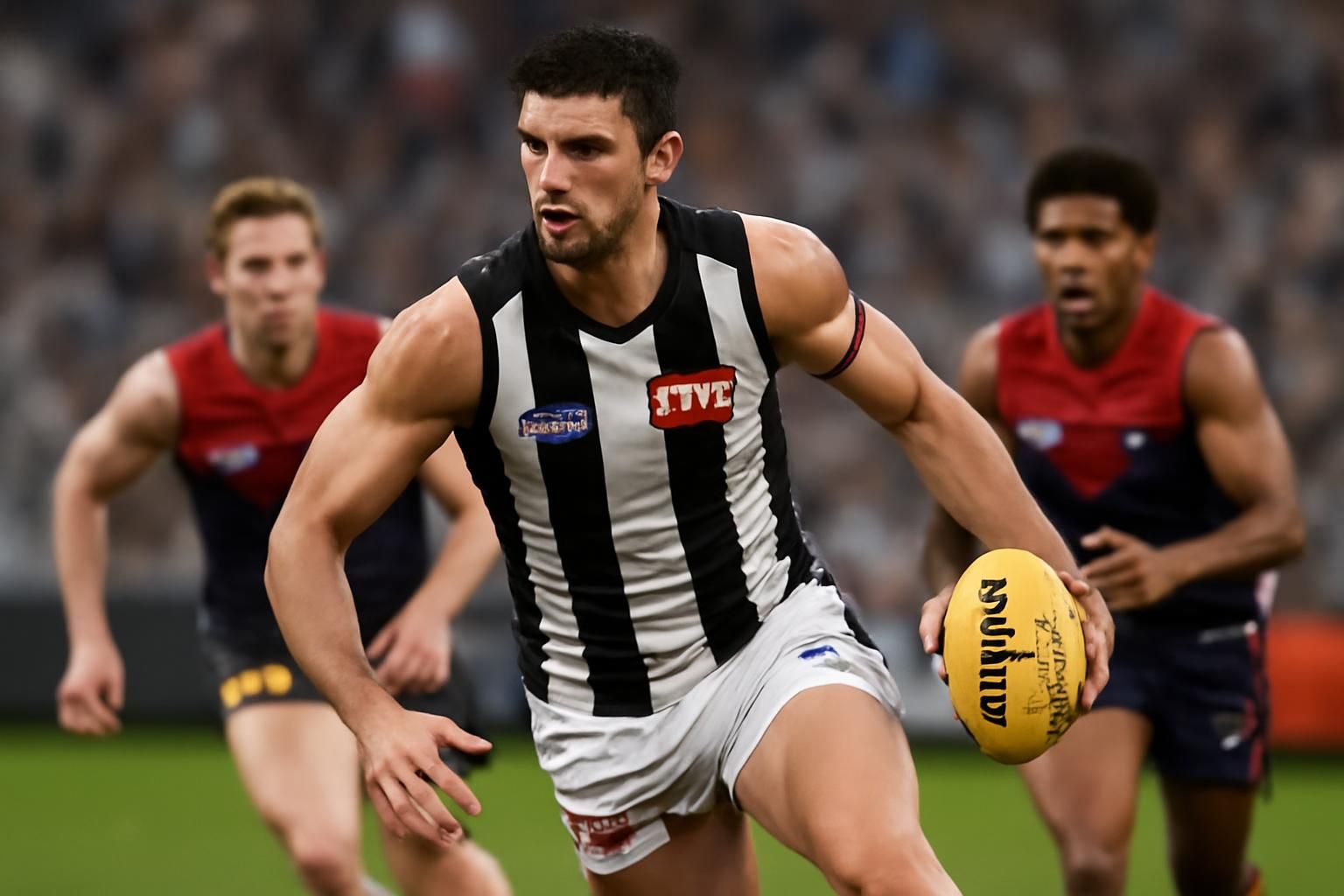
Scott Pendlebury, one of the AFL’s most respected figures, has recently been at the center of attention. With pivotal games on the horizon, Pendlebury’s status is uncertain due to injury and team decisions, impacting Collingwood’s tactical approaches significantly. The veteran’s presence on the field has been indispensable over the years, with his record-breaking appearances and leadership contributing to the Magpies’ competitive edge. However, strategic shifts necessitate managing key player availability in a way that balances experience with emerging talent.
Collingwood’s coach Craig McRae has openly discussed the challenges surrounding Pendlebury’s playing time, especially with injuries to other team members putting additional pressure on the squad. This has led to complex decisions around team composition while gearing up for crucial matches against fierce adversaries like Sydney Swans. The uncertainty also influences the game plan, forcing the coaching staff to adapt quickly. Despite these challenges, Pendlebury’s leadership role remains pivotal in mentoring younger players such as Nick Daicos.
In the broader AFL community, reactions to Pendlebury’s situation have been mixed. Fans and commentators are closely analyzing every update, emphasizing the veteran’s historical significance and potential future contributions. Comparisons with previous AFL legends underscore the rarity of his longevity and impact. From a statistical perspective, his performance in critical matches continues to demonstrate his enduring influence, even amidst physical setbacks.
This scenario also highlights the delicate balance AFL teams must maintain between managing player well-being and maximizing performance. It sets the stage for evaluating club strategies that prioritize sustainable success over immediate gains. For those following the sport’s latest updates, Pendlebury’s journey this season encapsulates the highs and lows of top-level Australian football competition.
Coaching Turnover and Strategic Shifts in AFL Clubs: The Carlton Case
Among the most talked-about developments in recent football news today are the coaching changes at Carlton Football Club. The Blues are navigating a turbulent period marked by the resignation of their head coach Michael Voss. The circumstances surrounding his departure have sparked extensive debates within the AFL community concerning team management and future strategies. The club is reportedly considering high-profile candidates, even urging rivals to release their current coaches for substantial contracts.
This coaching shakeup aligns with broader patterns of volatility in leadership across the league. Hawthorn and the Western Bulldogs have also been linked to coaching debates, reflecting the high stakes for clubs striving to revive their competitive status. Carlton’s management faces pressure to stabilize and reinvent the team framework while addressing on-field performance inconsistencies observed in recent matches.
The coaching changes have repercussions for player morale and team dynamics. New leadership often heralds tactical overhauls and shifts in training regimens, which are critical ahead of the AFL’s mid-season surge. Moreover, the recruitment strategies for coaches encompass more than just technical expertise—they involve vision alignment with club culture and community engagement. The ongoing discussions about contract offers of up to $6 million underscore the premium placed on skilled AFL coaches who can steer teams to victory.
For fans and analysts monitoring the latest AFL updates, Carlton’s situation exemplifies how coaching roles profoundly influence the sport’s competitive landscape. It opens questions about how clubs balance continuity amid change, and what innovative coaching philosophies will emerge as defining features in the coming seasons.
Significant Player Transfers and Rookie Draft Picks Shaping Team Performance
The 2026 AFL season sees an influx of player transfers and rookie draft picks that dramatically influence team performance and tactical options. As clubs adjust their rosters, these strategic moves affect both short-term results and long-term development. Recent transfers include high-profile stars seeking fresh challenges, while the rookie draft continues to unearth promising talent eager to make their mark on the Australian football world.
For instance, the Tasmania franchise made headlines recently with a $7 million bid for a rising star from Collingwood, underscoring the competitive intensity surrounding player acquisition. Such investments reflect clubs’ ambitions to strengthen key positions and build squads capable of championship runs. Meanwhile, teams like Port Adelaide and Brisbane have had to manage unexpected player retirements, necessitating rapid tactical recalibrations and opportunities for new players.
This dynamic player movement also affects team chemistry. Integrating newcomers requires deliberate focus on fostering cohesion both on and off the field. AFL coaches often emphasize tailored training sessions, team-building exercises, and leadership development to ensure high-impact collaboration during matches.
Transfer windows and draft outcomes are closely followed by the media and fans through platforms such as official AFL news channels and dedicated sports outlets. These sources provide comprehensive insights into how transfers align with broader market trends and club priorities, enriching the football news experience beyond mere statistics.
Understanding these transfer dynamics helps contextualize team trajectories throughout the AFL season, offering a deeper appreciation of the strategic complexity inherent in Australian football today.
Comprehensive Review of Injury Reports Affecting AFL Teams and Match Outcomes
The physical intensity of Australian football naturally leads to frequent injuries which significantly impact team performance and strategies. Detailed injury reports now play an essential role in shaping expectations for upcoming fixtures and in-game tactics. Currently, teams like Collingwood face considerable challenges with multiple key players, including Scott Pendlebury and others, sidelined due to injury concerns, disrupting their preparations for critical matches like the one against the Sydney Swans.
Healthy roster management becomes vital, requiring thorough medical assessments, physiotherapy regimes, and recovery protocols to maximize player availability. Additionally, clubs employ sports science experts to minimize injury risks and enhance rehabilitation effectiveness. This multidisciplinary approach ensures players return to the field in optimal condition while reducing the likelihood of re-injury.
Injuries also dictate substitution patterns and rotation policies, with coaches adjusting their game plans to compensate for absent starters. The Kangaroos, for example, urgently seek to arrest a losing streak exacerbated by the unavailability of key contributors, highlighting how injuries ripple through team morale and tactical options.
For fans craving up-to-date information, injury bulletins are regularly published and analyzed via sources like NewsNow AFL updates, providing transparency and anticipation for match day impact. This transparency enriches viewer understanding and anticipation ahead of live games, offering a realistic view of team capabilities.
Overall, injury management remains a cornerstone of club success and player longevity in the physically demanding environment of Australian football in 2026.
Match Results and Their Influence on AFL Ladder Positions and Finals Contenders
The results of AFL matches throughout the 2026 season are pivotal in determining ladder standings and shaping the contest for finals qualification. Recent games have seen intense competition, with established teams defending their top spots while underdogs strive to break into the upper echelon. The eighth-placed Adelaide Crows, for instance, enter fixtures with renewed confidence as they prepare to face teams like the Kangaroos, who desperately aim to avoid a prolonged series of losses.
Each match result carries significant implications for team morale, supporter engagement, and strategic planning. Coaches review these outcomes closely, analyzing both victories and setbacks to refine training and matchday tactics. Moreover, player performances during these contests often dictate individual contract negotiations and selection decisions for upcoming games.
Tables summarizing ladder positions provide fans with a crystal-clear view of the league’s competitive hierarchy at any given moment. These tables incorporate metrics such as wins, losses, percentages, and points, offering comprehensive insights into team form and finals prospects.
| Team | Wins | Losses | Draws | Points | Percentage |
|---|---|---|---|---|---|
| Adelaide Crows | 10 | 7 | 1 | 42 | 108.5% |
| Kangaroos | 6 | 12 | 0 | 24 | 89.7% |
| Collingwood | 12 | 5 | 1 | 50 | 115.2% |
| Carlton | 5 | 13 | 0 | 20 | 92.3% |
These standings evolve weekly, reflecting the dynamic nature of Australian football. Fans rely on trusted news outlets such as news.com.au AFL coverage for timely updates and detailed match analyses. Consequently, match outcomes are more than mere scores—they signal shifts in competitive momentum and season narratives.
Emotional Retirements and Their Impact on AFL Teams and Culture
The 2026 season has been marked by the retirement of several prominent players, creating emotional reverberations throughout the AFL community. Premiership winners and All-Australians announce their exits under circumstances that often carry poignant stories—ranging from injury-induced decisions to personal reflections on career trajectories. For example, a premiership winner with over 250 games recently stepped away suddenly, leaving fans and peers reflecting on the profound contributions made over many seasons.
Retirements affect team compositions, leadership structures, and cultural dynamics. Clubs must identify successors who can fill not only the technical void but also the emotional leadership vacuum left behind. This transition phase presents challenges but also opportunities to nurture emerging talent and renew club spirit.
Support systems within the AFL community, including former players and coaching staff, often rally to honor retirees’ legacies and assist in their post-football adjustment. Tributes in media and at matches underscore the tight-knit nature of Australian football culture, where player stories resonate deeply with supporters and teammates alike.
Understanding these retirements enriches the broader narrative of the sport today, emphasizing themes of resilience, legacy, and transformation amid competitive ambition.
Controversial Decisions and Their Effects on AFL Fan Perceptions and Official Policies
The 2026 AFL season has also seen several umpiring controversies that have sparked vigorous debate among fans, pundits, and officials. Incidents such as disputed goals, controversial penalties, and the league’s response to recent infractions have led to calls for official clarification and potential rule changes. Analysts are dissecting cases where decisions directly influenced match outcomes, prompting a renewed focus on the transparency and consistency of officiating standards.
For example, a contentious goal scored by Hawthorn against Fremantle raised eyebrows and divided opinions during broadcast commentary, highlighting tensions between fans and officials. Additionally, disciplinary actions involving repeat offenses by players have prompted the AFL to tighten regulations to maintain the game’s integrity.
Media coverage across platforms like 7News AFL updates ensures that these controversies are given comprehensive attention, fostering informed public discourse. The AFL’s willingness to reconsider rules and implement technology enhancements reflects an adaptive governance model aiming to preserve fairness while honoring the game’s competitive spirit.
These controversies underscore the complex intersection of tradition, evolving expectations, and technological possibilities within contemporary Australian football, influencing fan trust and league reputation.
The Rise of Tactical Innovation and Emerging Player Styles in the 2026 AFL Season
The strategic landscape of Australian football continues to evolve, with 2026 witnessing a surge in tactical innovation and distinctive player styles. Coaches and analysts increasingly adopt data-driven approaches, leveraging analytics to optimize game plans and individual roles. Players now utilize advanced fitness regimes and skill development strategies tailored to versatile in-game demands.
Examples of this evolution include creative set plays, non-traditional positioning, and adaptive defensive structures. These innovations enable teams to counter opponents’ strengths and exploit weaknesses dynamically. Emerging stars are exemplifying this new wave of football intelligence and athleticism, blending traditional skills with modern tactical awareness.
Tactical shifts have reshaped classic rivalries and impacted how fans perceive game excitement and unpredictability. For supporters and commentators alike, staying abreast of these developments through platforms such as Zero Hanger’s AFL analysis offers enriched perspectives on player performance and team strategies beyond standard match reports.
This growing emphasis on innovation promises to keep Australian football fresh and engaging for years to come, balancing respect for the game’s heritage with an appetite for progress.
What are the latest major player transfers in the 2026 AFL season?
Significant transfers include high-profile moves such as Tasmania’s $7 million bid on Collingwood’s rising star, showcasing the competitive nature of player acquisitions this season.
How are injury reports impacting team performances in the 2026 AFL season?
Injury updates are critical, as multiple key players have faced sidelining, forcing clubs to adjust tactics and rosters dynamically for upcoming matches.
What led to Carlton Football Club’s recent coaching changes?
Carlton’s coaching upheaval stems from Michael Voss’ resignation, the complex situation the coach faced, and the club’s desire to bring in fresh leadership to improve team results.
How are controversial umpiring decisions affecting AFL games currently?
Controversy around umpiring calls has sparked debate and prompted the AFL to review rules and consider technology enhancements to ensure fairness in matches.
What tactical innovations are emerging in the AFL this season?
Teams are introducing data-driven strategies, creative playmaking, and versatile player roles, marking a new era of tactical complexity and dynamism in the sport.