
The landscape of Australian soccer is undergoing transformative changes, largely influenced by the dynamic evolution of the A-League. As the league celebrates its 20th season, this milestone offers an opportune moment to explore how A-League football is actively shaping the future of Australian soccer. The sport has witnessed tangible growth in fan engagement, player development, and infrastructural investment, reflecting an energised wave within the football community. Increased viewership figures and rising participation rates among youth are clear indicators of a thriving ecosystem, while innovative league models and expansions hint at a progressive approach geared towards sustainability and competitiveness.
The A-League’s ability to blend tradition with innovation presents a blueprint for sustained soccer growth in Australia, with substantial implications for fan experience, player pathways, and sports infrastructure development. These elements not only encourage more Australians to embrace football but also enhance the quality and competitiveness of the sport nationally. Exploring the league’s current status and future direction reveals how strategic planning and thoughtful implementation can elevate Australian football on local and international stages.
Exploring the Impact of A-League Expansion on Australian Soccer Growth
The A-League’s trajectory towards expansion is a pivotal factor in shaping the wide-scale growth of Australian soccer. The league has steadily increased its footprint, moving beyond its 12-team structure to anticipate a 16-team competition within the next 18 months. This expansion is driven by a strategic intention to engage more regions and communities, fostering deeper fan connections and broader talent discovery. Football administrators see this as critical to elevating the sport’s profile nationally while enhancing competitive balance within the league.
The announcement of a new club confirmed for the 2027-28 season further cements the league’s expansion roadmap, reinforcing confidence in soccer’s growing popularity. Expanding to 16 teams not only diversifies market reach but also offers more opportunities for youth talent to enter professional pathways. This deliberate scaling influences how clubs approach recruitment, coaching, and community engagement, which trickles down to grassroots development.
From a financial perspective, growing the league supports increased broadcast content, sponsorship deals, and match-day revenues—each crucial to the overall health of Australian soccer’s ecosystem. Ensuring the league’s sustainability while meeting the demands of a growing fan base requires strategic investment in infrastructure and operational frameworks. Expansion also necessitates tackling logistical challenges related to scheduling, stadium standards, and travel, which have implications for players’ welfare and the quality of competition.
However, expansion is not without its criticisms. Funding cuts and austerity measures have sparked debates about how resources are distributed and prioritised. Some argue that while growth is essential, it must be balanced against financial prudence and maintaining competitive integrity. Yet, many experts believe that the expansion plans, if executed thoughtfully, will cement the A-League’s reputation and accelerate Australian soccer’s integration into the global football economy.
Ongoing A-League expansion ambitions illustrate how this process is a cornerstone of the league’s future strategy, actively fostering fan engagement and broader participation across the country.
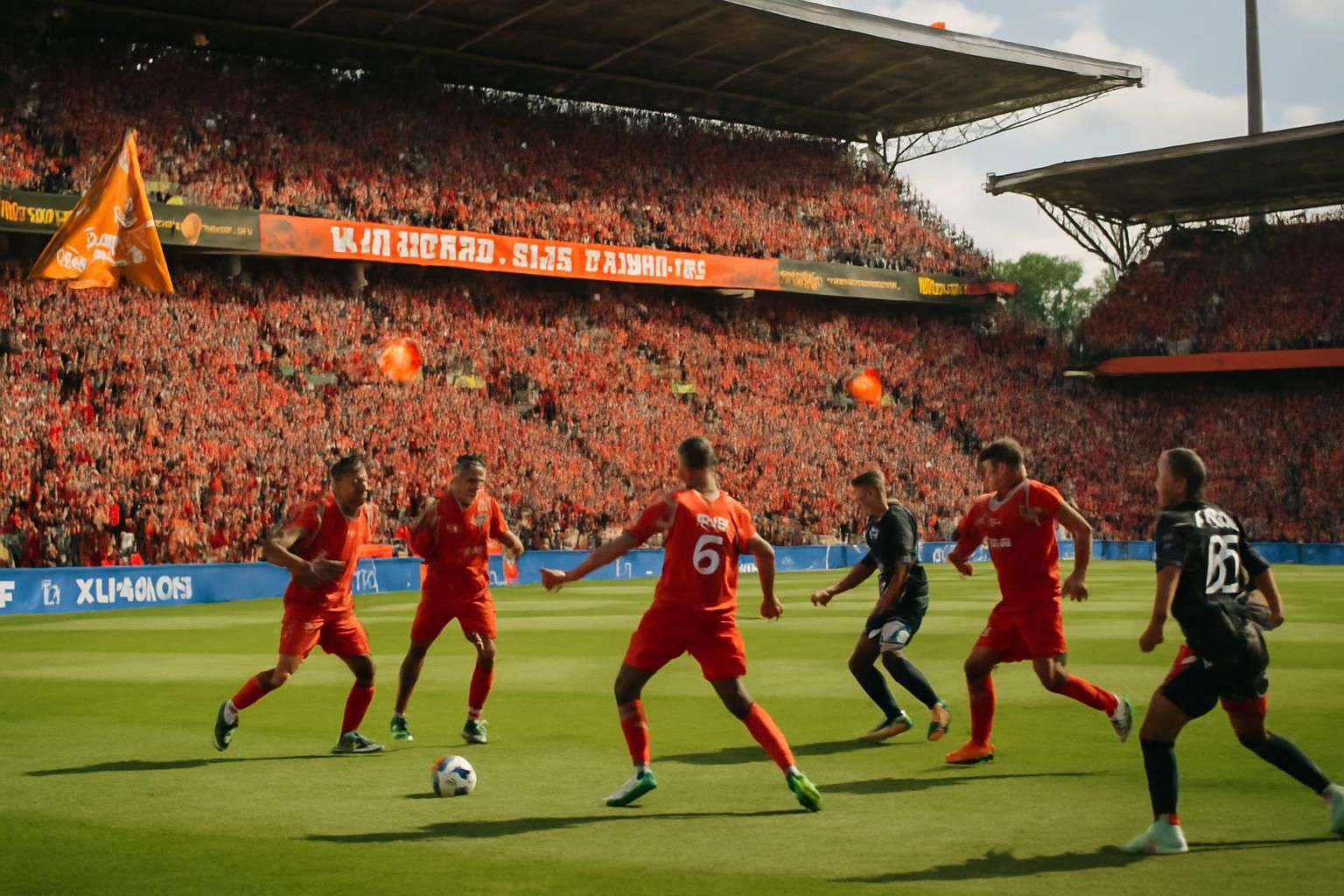
Innovative League Models: Learning from the Scottish Professional Football League
The A-League is on the cusp of a new era, with discussions underway about evolving its competition format informed by successful overseas models, notably the Scottish Professional Football League’s (SPFL) two-phase season structure. This model stands out for its balance between fairness and excitement, blending a conventional home-and-away season with a championship-deciding mini-league and relegation battles, all while rewarding teams appropriately for their season-long performance.
Adopting a similar phased approach could revolutionize the A-League by eliminating the traditional finals series format, which often sparks debate over the “real” champion. Instead, the league could see a system where the top half of the teams compete in a concentrated series to determine the champion, preserving the points earned during the regular season, while the bottom teams face off to avoid relegation to a second-tier competition.
Such a model promises several benefits. It would create more meaningful games throughout the season, reduce instances of dead rubber matches, and heighten competition intensity among clubs rushing for continental qualification or fighting to stay in the top flight. This format would also provide broadcasters and fans with extra high-stakes fixtures, enhancing engagement and viewership.
Challenges include the absence of a singular grand final spectacle, which is a popular feature in Australian sports culture. Additionally, explaining this format to new fans might require extensive communication, but the distinctiveness of the competition design could effectively set the A-League apart from other domestic codes.
The proposed integration coincides with the anticipated arrival of promotion and relegation around the 2034 season, marking a significant evolution in Australian soccer’s competitive structure. Such progressive changes align with a broader effort to integrate the A-League with the emerging Australian Championship tier, promoting player pathways, club development, and fan engagement at all levels.
Insights on the SPFL model and its relevance to the A-League offer a detailed exploration of how these innovations could bring sports innovation and competitive balance to Australian soccer.
Player Development and Youth Talent: The A-League’s Role in Nurturing Future Stars
The A-League has decisively positioned itself as a critical conduit for youth talent and player development in Australian soccer. With over 1.9 million participants recorded in 2024, an 11% increase from the previous year, the league’s ecosystem is fueling a robust pipeline of players progressing through youth ranks to professional levels. This development pathway is essential to strengthening the national team and elevating Australia’s presence on the international stage.
Data from the Professional Footballers Australia (PFA) 2023-24 report highlights the A-League’s commitment to nurturing young players more than comparable leagues globally. This youth-friendly environment enables emerging talent to gain valuable first-team experience, which is crucial for refining skills, confidence, and competitiveness.
The league’s youth integrative approach extends beyond just match time. Clubs invest in advanced soccer infrastructure to support athletic development, sports science, and education, creating holistic environments for players. Moreover, the high-performance standards within clubs illustrate a maturing professionalism that attracts and develops quality talent, ensuring sustainable growth.
Further, the attention given to player safety and well-being is progressively improving after the PFA flagged concerns about workplace conditions. Addressing these concerns is paramount for maintaining a positive and nurturing environment that retains talent and encourages peak performance.
Importantly, player input shapes league policies and improvements. An ongoing dialogue between players, clubs, and league administrators fosters commitment to innovation and higher standards, influencing broadcast quality, fan experience, and support systems for athletes.
Fan Engagement and Matchday Experience: Enhancing Soccer’s Popularity Nationwide
Fan engagement is a cornerstone of the A-League’s strategy to grow Australian soccer. The league has seen an 11% rise in viewership, coinciding with record attendance figures at several clubs, signaling a vibrant fan culture that continues to expand. Improving matchday atmosphere and broadcast quality remain top priorities for stakeholders, directly influencing audience growth and sponsor interest.
Efforts to innovate fan experiences encompass stadium upgrades offering better seating, improved audio-visual presentations, and fan zones promoting community. Clubs increasingly use digital platforms and social media to connect with fans, creating inclusive environments that celebrate football’s cultural diversity in Australia.
Key to this engagement is creating compelling narratives around clubs and players, fostering loyalty and emotional connection. Rivalries, like the well-known derbies, amplify interest and bring intensity to matches that draw higher crowds and broadcast ratings.
The A-League’s modernization of competition structures, including possible league expansions and innovative formats, further stimulates fan interest by delivering more competitive and meaningful fixtures throughout the season.
Importantly, the continued collaboration with broadcasters to enhance coverage quality, including multi-angle camera setups and expert commentary, makes soccer accessible and exciting to a wider audience, bridging connections from grassroots levels to top-tier matches.
Financial Dynamics: Transfer Revenue Surpasses Broadcast Income in the A-League
One of the most significant shifts within the A-League’s financial framework is the surpassing of broadcast revenue by player transfer income as the primary revenue source. Highlighted in the PFA’s latest report, transfer revenues jumped to $17.5 million in the 2023-24 season, up from $10 million the season before, reflecting improved global recognition of the league’s player development capabilities.
This trend underscores the league’s expanding role as a talent incubator, exporting players to larger markets while reinvesting proceeds into club and league resources. These funds support improvements in soccer infrastructure, youth programs, and competitive quality, reinforcing sustainable growth.
Broadcast rights, however, remain an important pillar and are benefiting from increased match content driven by league expansion and new competition formats. Enhanced broadcast packages that emphasize quality and accessibility continue to attract new partners and viewers.
The financial landscape remains challenged by funding austerity situations in recent years, but strategic prioritization and innovative revenue streams provide a pathway to stability. Clubs are increasingly diversifying income through merchandise sales, sponsorships, and corporate partnerships, aligning with a commercially sustainable future for Australian soccer.
| Revenue Source | 2022-23 (in million AUD) | 2023-24 (in million AUD) | % Growth |
|---|---|---|---|
| Player Transfers | 10 | 17.5 | 75% |
| Broadcast Rights | 15 | 14.8 | -1.3% |
| Matchday Revenue | 5 | 6.2 | 24% |
Strengthening Player Pathways: The Bridge from Grassroots to Professionalism
Building clear and effective player pathways remains a critical aspect of the A-League’s influence on Australian soccer. Coordinated efforts aim at crafting seamless transitions from grassroots participation through junior leagues, academies, and into professional environments. This focus not only benefits individual players but also strengthens club competitiveness and national team prospects.
Youth academies linked to A-League clubs provide structured environments emphasizing technical development, tactical understanding, and mental conditioning. These academies are supported by investments in training facilities and coaching staff skilled in modern methodologies. Furthermore, the growing network of regional development centers broadens access for talented individuals outside metropolitan areas, contributing to talent identification diversity.
This embrace of comprehensive pathways is underpinned by collaboration between Football Australia, league organizers, and community soccer bodies. The resulting synergy promotes sports innovation and ensures that prospective players receive consistent support and clear goals throughout their development journey.
Moreover, with the introduction of promotion and relegation expected in the long term, pathways open new competitive dimensions, encouraging clubs to continually cultivate and reward talent to maintain league status.
Investing in Soccer Infrastructure to Support Sustainable Growth
Advanced soccer infrastructure constitutes the backbone supporting the A-League’s ambition to elevate Australian soccer. Stadium modernization, training facilities upgrades, and grassroots venue improvements are all integral to creating high-performance environments for both players and fans.
Significant investment has been directed toward multi-purpose stadiums equipped with advanced pitch technology, lighting, and spectator amenities to meet international standards. These improvements not only enhance the matchday experience but also position Australian venues as candidates for hosting high-profile international matches and tournaments, further raising the sport’s profile.
Additionally, investment in sports science centers associated with clubs promotes player health, injury prevention, and recovery, crucial for maintaining peak athletic output. Enhanced facilities at the youth and community level nurture grassroots growth by offering accessible, quality playing environments that stimulate participation.
Innovative approaches such as eco-friendly stadium designs and digital integration for fan interactivity also signal the league’s commitment to future-facing infrastructure strategies. These efforts echo global trends and underscore the league’s role in Australian soccer’s broader development landscape.
The Future of Australian Soccer: Integrating Growth, Passion, and Innovation
The ongoing evolution of the A-League stands at the confluence of several critical facets shaping the future of Australian soccer. League expansion, innovative competition formats, and focused player development converge with financial growth and infrastructure investments to propel the sport forward. This holistic approach fosters stronger player pathways, invigorates fan engagement, and supports sustainable commercial models.
Challenges remain, including balancing austerity with growth, improving governance models, and ensuring player welfare, all identified by the Professional Footballers Australia as areas needing attention. Tackling these issues will be paramount in securing the league’s credibility and appeal.
Nevertheless, the current momentum suggests a vibrant future where Australian soccer not only thrives domestically but also establishes a competitive presence in the international football community. By continuing to adopt innovative structures and embracing broad-based participation, the A-League serves as a beacon for what Australian soccer can achieve.
The PFA Report on A-League Men’s future priorities reinforces the need for a unified strategy rooted in good governance and meaningful player partnerships.
What is driving the A-League’s expansion to 16 teams?
The expansion aims to increase market reach, promote regional engagement, and provide more opportunities for talent development while boosting fan engagement and financial sustainability.
How would the Scottish Professional Football League model benefit the A-League?
It offers a competitive two-phase season that rewards consistent performance, maintains excitement with an end-of-season championship round, and integrates relegation, improving fairness and competitiveness.
What measures are being taken to support youth talent in Australian soccer?
The A-League invests in youth academies, professional coaching, infrastructure upgrades, and collaborative pathways with grassroots soccer to nurture young players effectively.
How has player transfer income influenced the A-League’s financial health?
Transfer revenue has become the league’s largest revenue source, surpassing broadcast income, allowing reinvestment in clubs, infrastructure, and player development programs.
What are the current challenges facing the A-League?
Key challenges include governance reforms, player welfare concerns, financial management amid austerity, and enhancing fan experiences to grow the sport’s profile sustainably.